Outdoor living
Closing and reopening a seasonal home in Greece
Prepare a seasonal home with a property-specific closure record, responsible contacts, equipment instructions and an organised reopening visit.
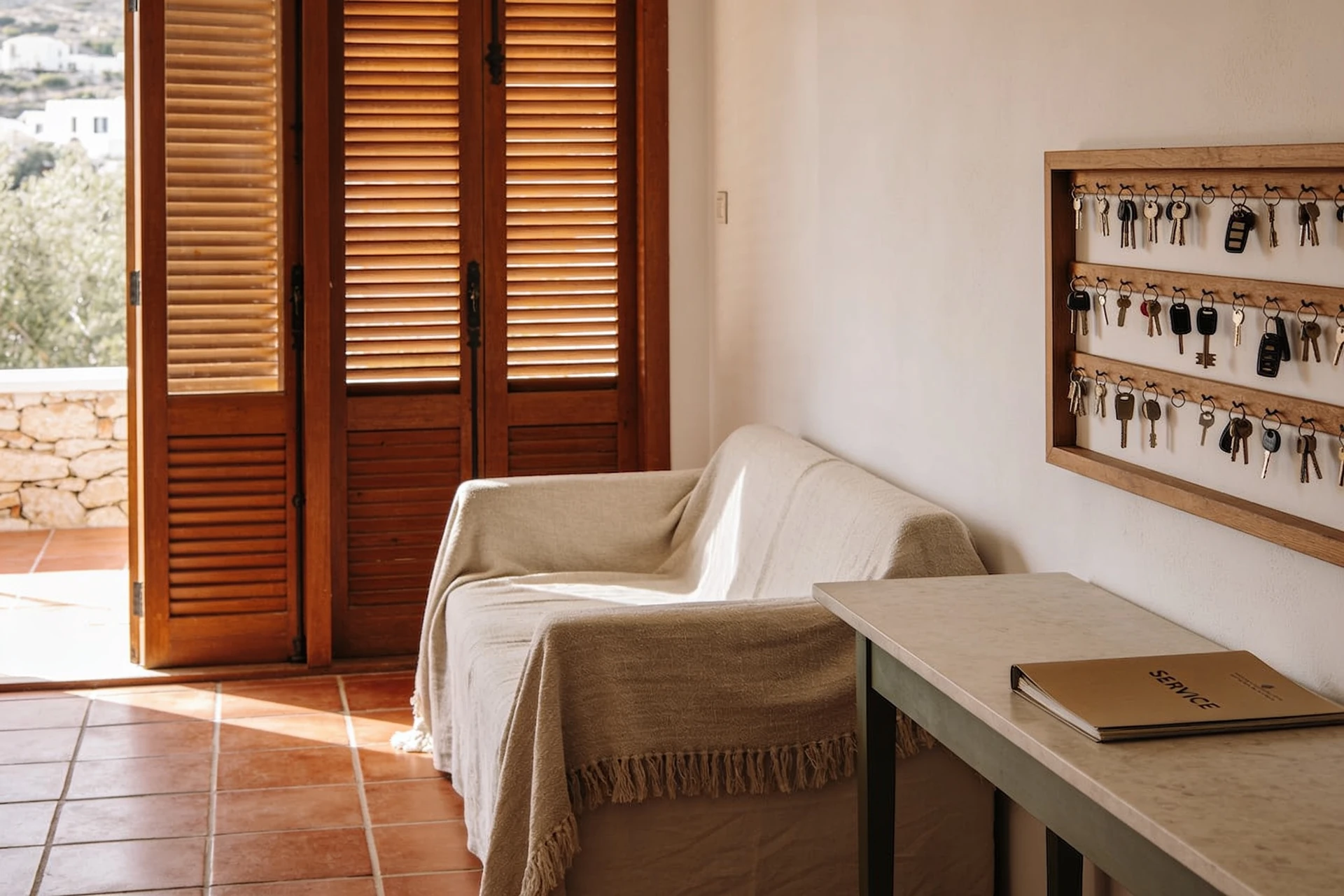
A home used for part of the year needs a clear transition between occupied and unoccupied periods. The right actions depend on its equipment, location and care arrangements. Build the checklist from the actual property and professional instructions, rather than following a universal list that assumes every valve, appliance and building behaves alike.
At a glance: Document condition, follow system-specific closure instructions, assign a local contact and plan reopening before arrival. Keep essential services and responsibilities explicit instead of switching everything off indiscriminately.
Create a property-specific closure plan
List the installed systems and obtain the relevant instructions for an extended absence. Ask the appropriate technicians which actions are needed and which services must remain active for the property's arrangements. Do not guess at electrical, water or other system procedures from a generic checklist.
Record the responsible person for each task and the evidence of completion. Distinguish work done by the owner from work requiring a qualified technician. Keep the final plan concise enough that it can be followed on departure day without relying on memory or several disconnected messages.
Record the condition before leaving
Walk through the home and photograph relevant rooms, visible surfaces and known issues. Note anything awaiting repair, with a contact and next step. The record should explain the departure condition so a later observation can be compared with something concrete.
Check that belongings are stored according to their requirements and that maintenance access remains available. Avoid using cupboards or service areas as indiscriminate overflow storage. Keep important documents and sensitive information secure rather than leaving them in an openly accessible caretaker folder.
Prepare outdoor items and planting
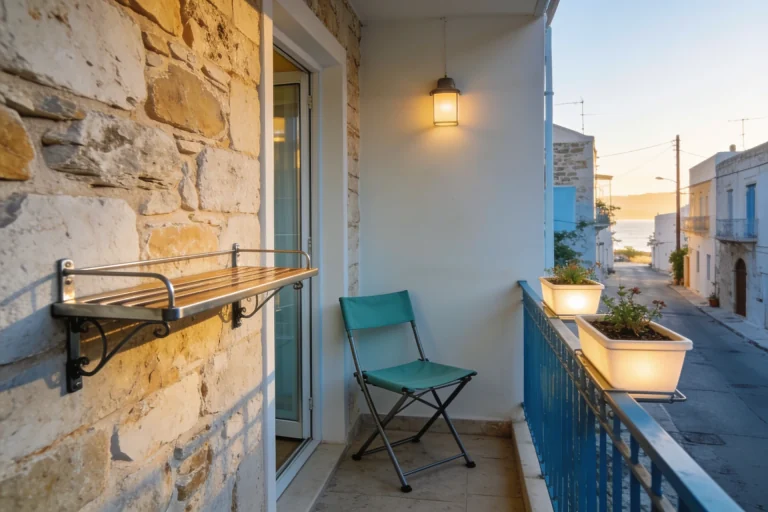
Follow the instructions for furniture, shading and other movable outdoor items during absence. Arrange suitable storage or protection and keep drainage access clear. Have any building-related concern assessed rather than concealing it before leaving. The balcony should remain manageable for the person checking the property.
Agree a plant-care plan based on the actual collection and test any automatic system beforehand. Give the caretaker a labelled map and a reporting method. If the care arrangement is uncertain, discuss practical alternatives early rather than relying on a last-minute promise to water everything occasionally.
Assign contact and reporting responsibilities
Agree who can visit, how access is authorised and which issues require immediate contact with the owner or a relevant professional. Provide necessary contacts without distributing unnecessary sensitive information. The caretaker should know the limits of their role and should not be expected to diagnose or repair unfamiliar systems.
Use a short visit record: date, observations, actions and unresolved items. Include photographs where useful. If the building has shared management arrangements, clarify how they relate to the private property. A named contact and a clear reporting route are more dependable than assuming somebody nearby will notice a problem.
Schedule reopening before the first night
Arrange any needed professional checks or servicing with enough time to address findings. Follow the installed systems' reopening instructions rather than reversing the departure steps by guesswork. Confirm which tasks should happen before the household arrives and who reports their completion.
On the first visit, compare the current condition with the departure record. Check the rooms and normal operation within your competence, and refer unusual conditions to the relevant professional. Do not cover a new mark or ignore an unfamiliar sign simply because the home needs to be ready for guests quickly.
Update the plan after each season
Record what worked and what caused delay, confusion or unnecessary effort. Revise instructions after equipment replacement or changes in use. A checklist from the previous year may no longer match the home, especially after renovation or a new maintenance arrangement.
Keep one current version with the property documents and share it with those who need it. The aim is a repeatable transition into and out of use, with clear responsibility and evidence. A seasonal home becomes easier to manage when each visit improves the record rather than starting the process from memory again.
Closure and reopening record
| Area | Before leaving | Before reuse |
|---|---|---|
| Systems | Follow agreed absence instructions | Follow agreed recommissioning steps |
| Condition | Photographs and outstanding issues | Compare and report changes |
| Outdoors | Product-specific storage and care | Inspect before normal use |
| Contacts | Access and reporting plan | Confirm completed checks |
Frequently asked questions
Should I switch off every service?
Not without checking the property's systems and arrangements. Obtain specific instructions from the relevant professionals and identify anything that must remain active.
Can a neighbour handle every reopening task?
Assign only tasks appropriate to their role and competence. Technical checks or repairs may require qualified professionals.
When should I plan the next opening?
Before arrival, allowing time for the checks and servicing required by the actual property. Avoid assuming all tasks can be completed on the first evening.
Your practical checklist
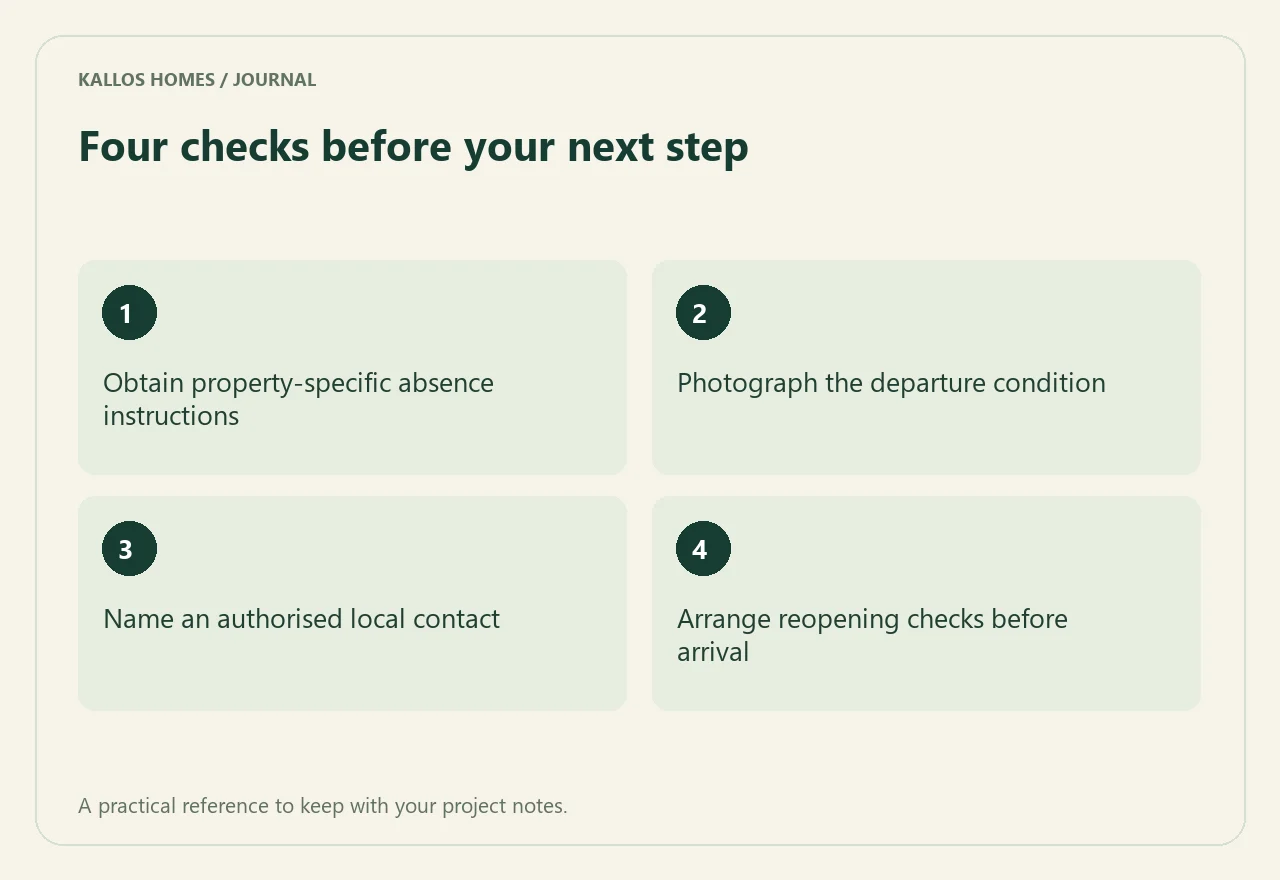
- Obtain property-specific absence instructions
- Photograph the departure condition
- Name an authorised local contact
- Arrange reopening checks before arrival